
Science/Health
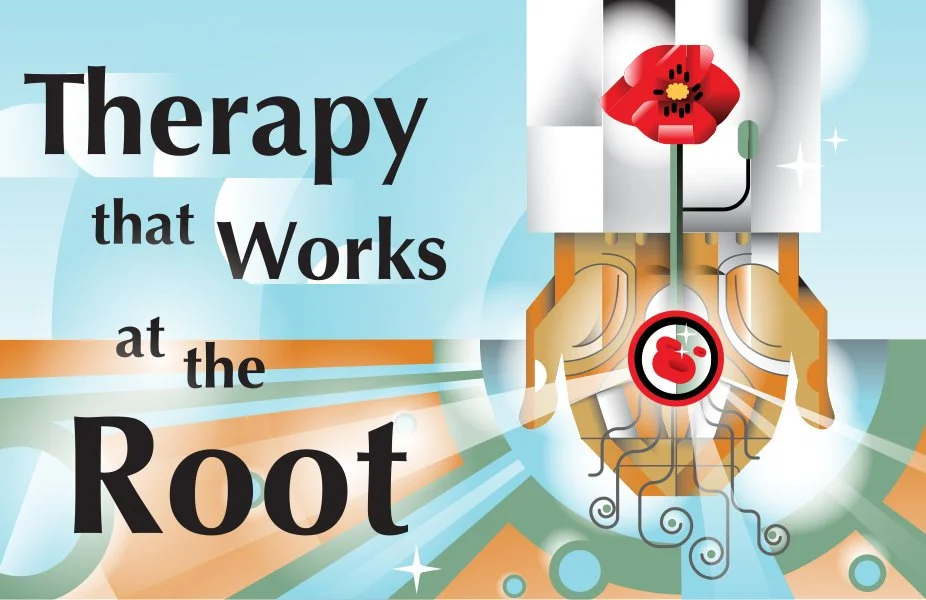
The Miracle of the Poppy Flower
The poppy is one of the most medically significant plants in human history. Papaver somniferum — the opium poppy — is the most important species in pharmaceutical research, supplying alkaloids including morphine, codeine, thebaine, and papaverine that form the foundation of modern pain management
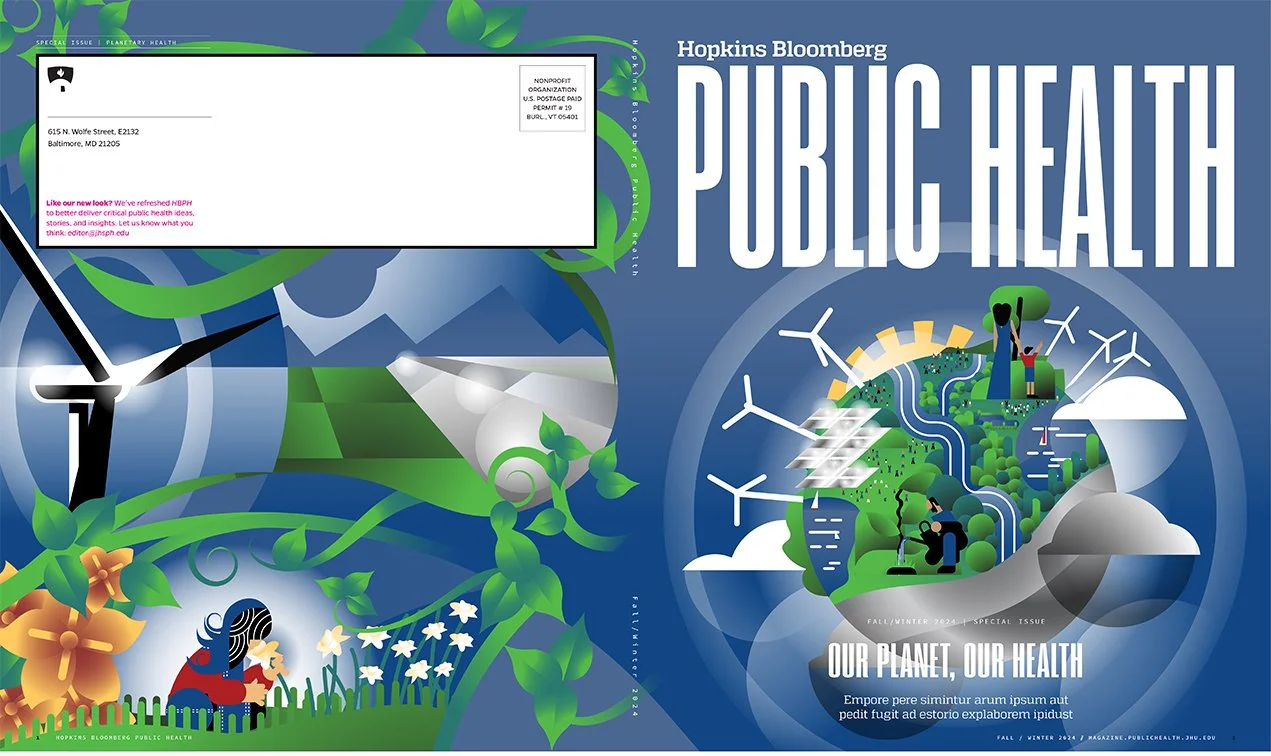
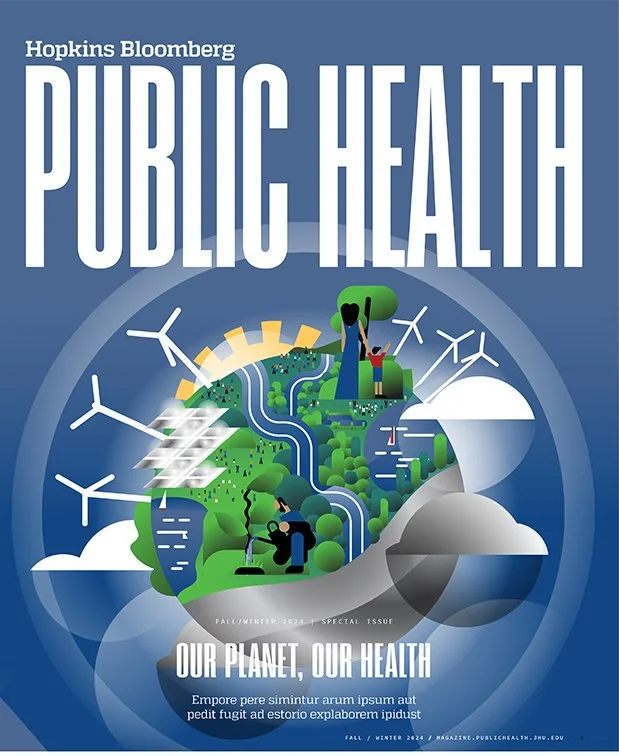
Our Planet Our Health
Hopkins Bloomberg Public Health
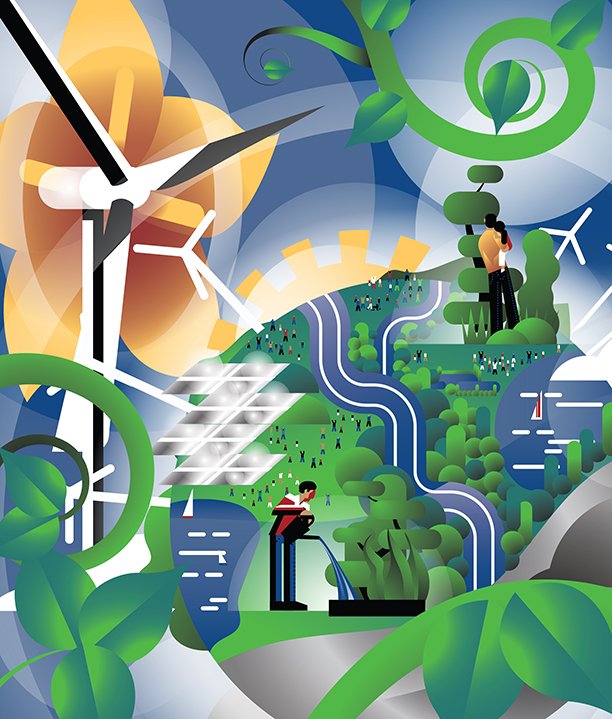
The path back to a blue planet runs through the choices we make on land. Solar energy is now the cheapest electricity in human history — and it's still being underbuilt. Recycling systems that actually work, circular economies that design waste out of the equation entirely, buildings that generate their own power, communities that consume what they produce — these aren't distant ideas. They exist. The technology is solved. What remains is the will to scale it. Every solar panel installed is a vote for the planet we started with. Every material reclaimed from a landfill is a small act of restoration. The blue didn't disappear overnight. It won't come back overnight either. But it comes back one decision at a time
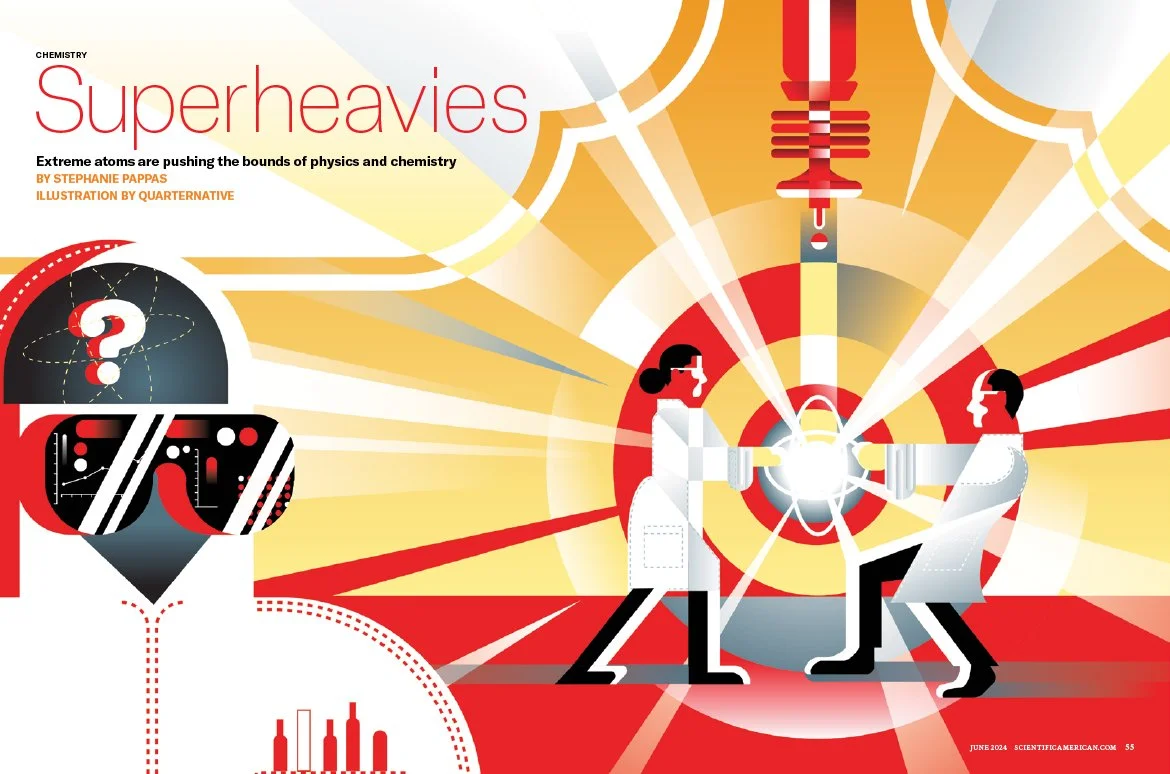
Superheavies
Scientific America
Superheavy elements are synthetic atoms at the extreme edge of the periodic table — so unstable they exist for mere fractions of a second before decaying. Created by smashing lighter atoms together in particle accelerators at near-light speed, these extreme atoms contain over 100 different complex subatomic configurations pushing the known boundaries of physics and chemistry. Scientists believe a theoretical "island of stability" exists further along the periodic table — a zone where superheavy elements might actually hold together long enough to study. The race to get there is one of the most expensive and obsessive pursuits in modern science. Nobody knows what these elements can do. That's exactly why they're chasing them
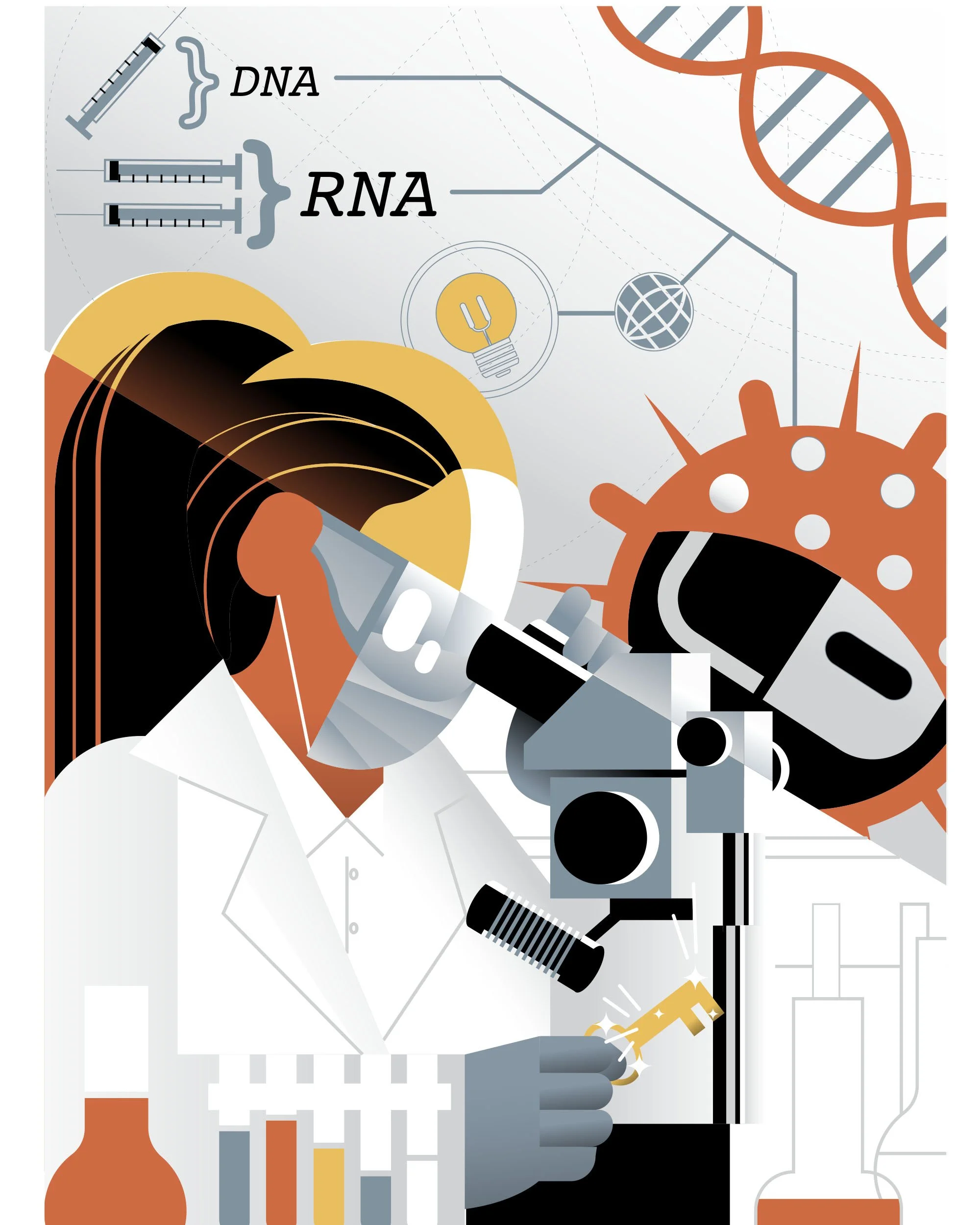
Race for the Cure
Before COVID-19, no vaccine for an infectious disease had ever been developed in less than five years — the modern record had stood since 1967. Then the world changed overnight. The night China locked down Wuhan, Moderna's CEO knew immediately something unprecedented was happening. BioNTech's Ugur Sahin started working on a vaccine within days — using messenger RNA, a technology that had never before been approved as a vaccine or a drug. It was an enormous gamble. The Pfizer-BioNTech vaccine was developed and approved within eight months. The established vaccine giants — Johnson & Johnson, Sanofi, Merck — were largely late or unsuccessful. It was the outsiders, the small biotechs operating near the market fringes, who moved fastest and saved the most lives. The COVID vaccine race didn't just beat a virus. It permanently rewrote what medicine believes is possible
Race for the Cure
Swiss Medical Review
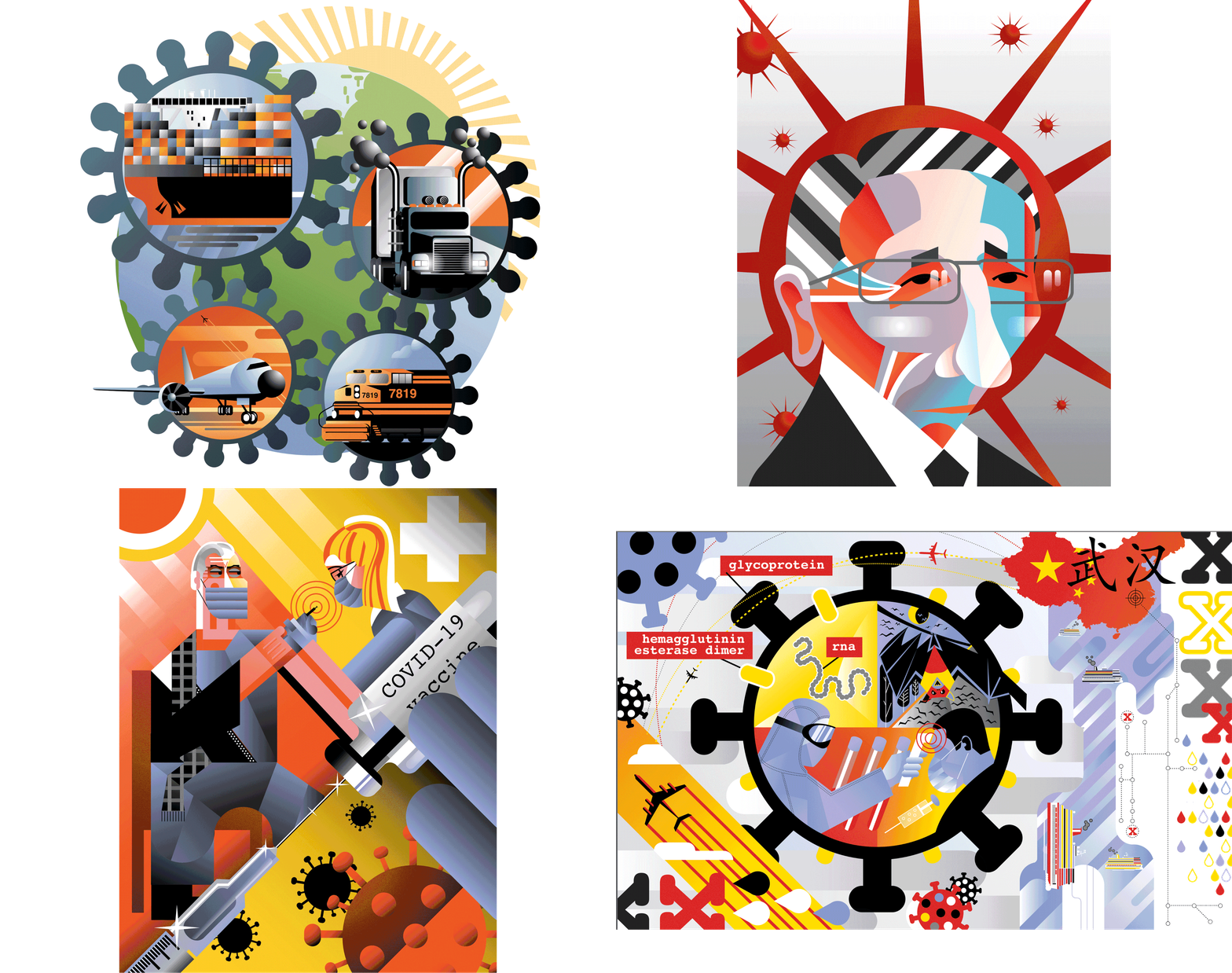
Covid 19
Press Telegram